Organic sugar from Brazil is a different sourcing conversation than ICUMSA 45, 150, or VHP — the specification that matters most isn’t colour, it’s how the cane was grown and certified. Here’s what international buyers evaluating Brazilian organic sugar actually need to check before committing to a supplier.
What “organic sugar” means in Brazilian sugarcane production
Organic sugarcane is grown without synthetic pesticides, herbicides, or fertilizers, and processed without the chemical aids used in some conventional refining steps. For sugar exported from Brazil to carry an organic claim in the US, it needs to be certified to a recognised standard — most commonly USDA NOP for the US market, sometimes alongside EU organic certification for buyers who also sell into Europe. The certification applies to the whole chain: the growing land, the mill, and the handling between them, not just the final crystal.
How organic sourcing differs from conventional ICUMSA grades
Conventional Brazilian sugar is specified primarily by ICUMSA colour value — 45 for refined white, 150 for a coarser crystal, 600–1200 for raw VHP feedstock. Organic sugar is layered on top of that: you can find organic sugar processed to a colour and polarisation similar to ICUMSA 45 or in a rawer, less-refined form closer to a demerara or turbinado style, which is common in the organic segment because some conventional refining aids are excluded. The practical takeaway is that “organic” and “ICUMSA grade” answer different questions — a buyer should specify both, not treat organic as a substitute for a colour/purity spec. See our ICUMSA 45 vs 150 vs VHP grade guide for how those specifications compare on their own.
Where organic sugarcane is grown in Brazil
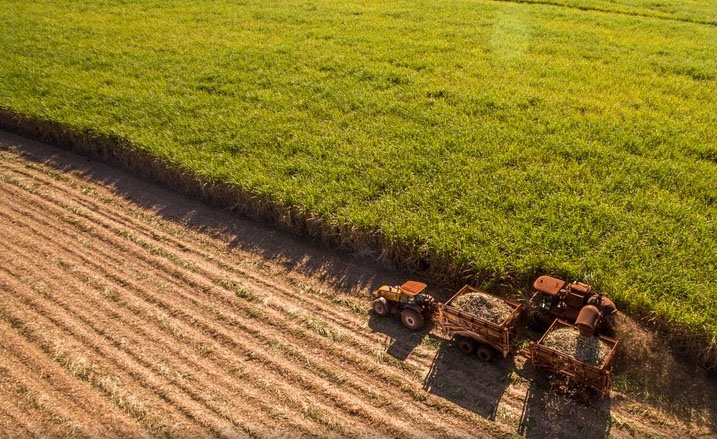
Organic cane production is smaller in scale than Brazil’s conventional centre-south sugar belt and tends to run through dedicated organic mills and cooperatives rather than the largest conventional producers, since organic certification requires separate growing land, harvest handling, and processing lines to avoid cross-contamination with conventional cane. Buyers should ask a prospective supplier directly which region and mill the organic sugar is processed through, rather than assuming it comes from the same facilities as conventional grades.
Why demand for Brazilian organic sugar is growing
Interest is coming from two directions: confectionery and beverage brands adding an organic line alongside their conventional formulation, and specialty food buyers for whom organic certification is a listing requirement rather than a preference. Because organic volumes are smaller than conventional VHP or ICUMSA 45 export volumes, buyers who plan ahead and lock in supply tend to get better pricing and more reliable lead times than those sourcing on short notice.
Questions to ask before sourcing organic sugar from Brazil
- Which certifying body issued the organic certificate, and can you provide a current, verifiable certificate number?
- Does the certification cover the growing land, the mill, and the export handling, or only part of the chain?
- What is the sugar’s actual colour/ICUMSA value and polarisation — organic certification alone isn’t a purity spec?
- What is the minimum order quantity for organic volumes, and how does lead time compare to conventional grades?
Fitting organic sugar into a diversified sourcing strategy
Most buyers don’t replace conventional volume with organic outright — they run organic as a smaller, dedicated line alongside ICUMSA 45, 150, or VHP purchasing, sized to whatever portion of their product range actually carries an organic claim. Treating it that way avoids overcommitting to a smaller-volume, typically higher-cost supply chain before demand for the organic line is proven.
A common misconception worth clearing up
Organic does not mean unrefined, and unrefined does not mean organic. A rawer-looking, less-white sugar can be entirely conventional, and a fully refined white sugar can be certified organic. The only reliable way to confirm organic status is the certificate — not the colour or granulation of the sugar itself.
Next steps for buyers evaluating organic suppliers
If you’re evaluating organic sugar from Brazil, ask for the certificate, the specific mill of origin, and a sample alongside your quote request so you can verify the claim and the specification together before placing volume.