In Brazil,
the sugar season is a time when the landscape comes alive with vibrant
sugarcane fields, and the air is filled with the sweet promise of a bountiful
harvest. This annual event is more than just an agricultural cycle; it’s a
cultural celebration and a significant economic contributor to the nation. In
this blog post, we’ll delve into the unique traditions, cultural significance,
and the intricate process of sugarcane cultivation and sugar production during
the sugar season in Brazil.
The Sugar
Season in Brazil: A Cultural and Economic Extravaganza
Cultural
Significance: The sugar season in Brazil is steeped in tradition, influencing
festivals, music, and local customs.
Economic
Importance: This season is a vital component of Brazil’s economy, contributing
to the nation’s GDP and providing employment to countless individuals.
The Annual
Cycle of Sugar Production
Sugarcane
Planting: The sugar season begins with the meticulous planting of sugarcane, a
task that requires expertise and precision.
Sugarcane
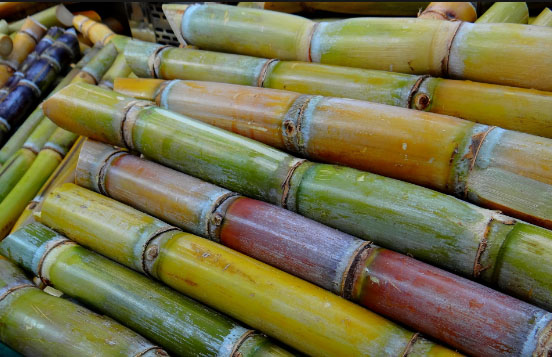
Cultivation: The fields transform into a sea of lush sugarcane stalks,
benefiting from Brazil’s tropical climate.
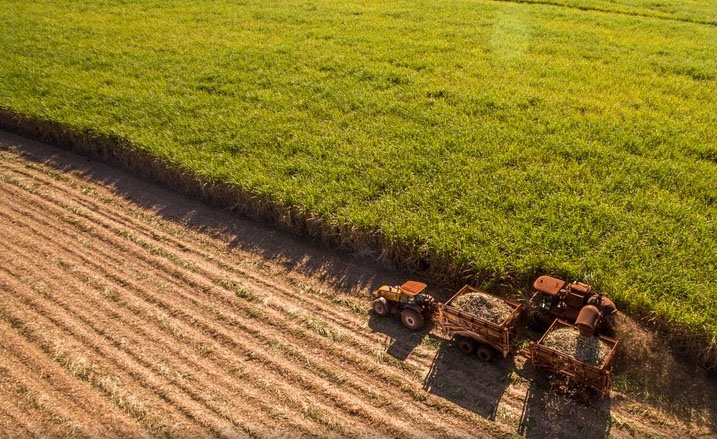
Harvesting:
Skilled workers carefully harvest the ripe sugarcane, ensuring it’s collected
at the peak of its sweetness.
Crushing and
Extraction: The harvested sugarcane undergoes a process of crushing to extract
the sweet juice, the essential ingredient for sugar production.
Sugar
Production in Full Swing
Clarification
and Boiling: The extracted juice is subjected to clarification and boiling to
remove impurities and create a clear sugar solution.
Crystallization
and Drying: The sugar solution is then concentrated, crystallized, and dried,
resulting in the fine sugar crystals loved by millions.
Cultural
Celebrations
Festa
Junina: The sugar season coincides with Festa Junina, a lively celebration of
rural life featuring traditional foods, music, and spirited dancing.
Cultural
Influence: The sugar season has profoundly influenced Brazilian culture,
leaving its mark on art, music, and the way of life in rural communities.
Challenges
and Innovations
Technological
Advancements: Brazilian sugar producers have embraced modern technology to
enhance efficiency, sustainability, and product quality.
Sustainability
Initiatives: Many producers are committed to responsible water management and
biodiversity conservation.
Conclusion
The sugar
season in Brazil is more than just an annual agricultural event; it’s a time of
cultural vibrancy, economic significance, and agricultural spectacle. As
sugarcane fields sway in the wind and the sweet aroma of sugarcane fills the
air, Brazil celebrates the journey from harvest to happiness during this
special season. It’s a reminder of the sweet traditions that define the
nation’s cultural identity and its role as a prominent player in the global
sugar market.