In Brazil,
the sugar season is more than just an agricultural cycle; it’s a time of
tradition, livelihoods, and celebrations. The annual sugar season in Brazil
marks the culmination of months of hard work, as sugarcane fields are
transformed into the sweet granules that grace our tables. In this blog post,
we’ll take you on a journey through the sugar season in Brazil, celebrating the
essence of this sweet spectacle.
The Sugar
Season in Brazil: A Sweet Symphony
Cultural
Significance: The sugar season is woven into the cultural fabric of Brazil,
influencing festivals, music, and traditions.
Economic
Importance: This season is pivotal for the Brazilian economy, as sugar
production significantly contributes to the nation’s GDP.
The Annual
Cycle of Sugar Production
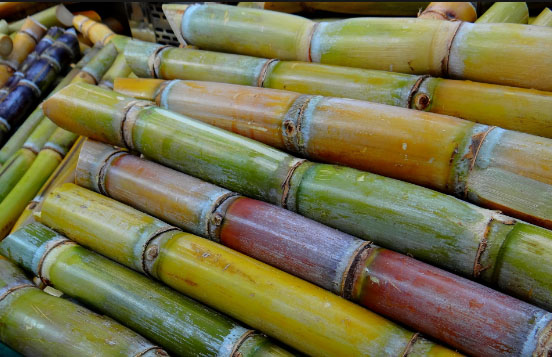
Sugarcane
Planting: The season begins with the planting of sugarcane, an intricate
process involving skilled labor and technology.
Sugarcane
Cultivation: The fields come alive with lush sugarcane stalks, which thrive in
the tropical climate of Brazil.
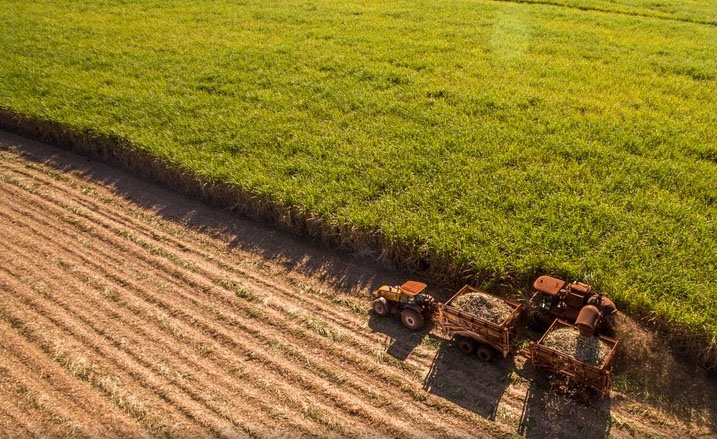
Harvesting:
Skilled workers meticulously harvest ripe sugarcane, ensuring that the crop is
collected at its peak sweetness.
Crushing
and Extraction: The harvested sugarcane is crushed to extract the sweet juice,
the primary ingredient for sugar production.
Sugar
Production in Full Swing
Clarification
and Boiling: The extracted juice undergoes clarification and boiling to remove
impurities and create a clear sugar solution.
Crystallization
and Drying: The sugar solution is concentrated, crystallized, and dried,
resulting in the fine sugar crystals we love.
Cultural
Celebrations
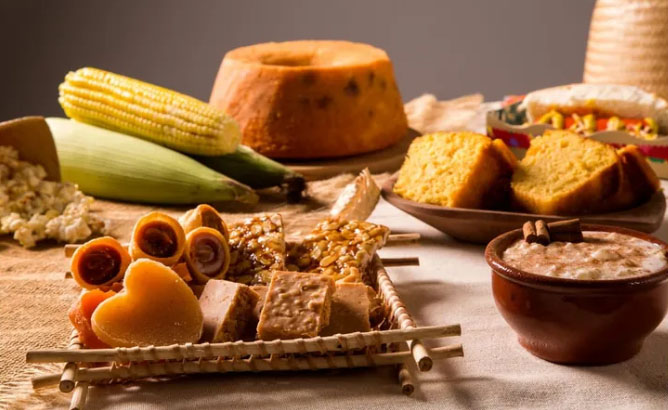
Festa
Junina: The sugar season in Brazil coincides with Festa Junina, a vibrant
celebration of rural life, complete with traditional foods, music, and dancing.
Cultural
Influence: The sugar season has left an indelible mark on Brazilian culture,
influencing art, music, and the way of life in rural communities.
Challenges
and Innovations
Technological
Advancements: Brazilian sugar producers have embraced modern technology to
enhance efficiency, sustainability, and the quality of their products.
Sustainability
Initiatives: Many producers are committed to responsible water management and
biodiversity conservation.
Conclusion
The sugar
season in Brazil is more than an annual agricultural event; it’s a time of
celebration and cultural vibrancy. As sugarcane fields burst into life, skilled
workers labor tirelessly to bring sweetness to our lives. This unique blend of
tradition, economics, and culture is the essence of the sugar season in Brazil,
a reminder of the sweet journey from harvest to happiness.